
Anúncios
Cryptocurrency has evolved from a niche experiment to a legitimate asset class that sophisticated investors are increasingly considering for portfolio diversification strategies worldwide.
📊 The Evolution of Crypto in Modern Investment Portfolios
The investment landscape has undergone a remarkable transformation over the past decade. Traditional portfolio theory, which once centered exclusively around stocks, bonds, and real estate, now faces a new reality where digital assets have carved out a significant presence. Cryptocurrency represents more than just a technological innovation—it has become a financial instrument that challenges conventional wisdom about risk, return, and correlation.
Institutional adoption has accelerated dramatically since 2020, with major corporations, hedge funds, and even sovereign wealth funds allocating portions of their portfolios to digital assets. This shift wasn’t arbitrary; it emerged from mounting evidence suggesting that cryptocurrencies offer unique diversification benefits that traditional assets simply cannot replicate.
The fundamental question facing investors today isn’t whether crypto belongs in portfolios, but rather how much allocation makes sense given individual risk tolerances and investment horizons. Understanding the evidence-based insights behind crypto’s diversification potential is essential for making informed decisions in this rapidly evolving space.
Understanding Correlation: The Foundation of Diversification 🔗
Diversification works because of correlation—or more precisely, the lack of perfect correlation between assets. When assets move independently of each other, losses in one holding can be offset by gains or stability in another. This principle forms the bedrock of modern portfolio theory, pioneered by Nobel laureate Harry Markowitz.
Cryptocurrency, particularly Bitcoin and established altcoins, has historically demonstrated low to moderate correlation with traditional asset classes. During various market periods between 2015 and 2023, Bitcoin’s correlation with the S&P 500 ranged from approximately 0.01 to 0.50, with significant variation depending on market conditions. This imperfect correlation creates opportunities for risk reduction through strategic allocation.
What makes crypto particularly interesting from a diversification perspective is its unique set of price drivers. While stocks respond primarily to corporate earnings, economic indicators, and monetary policy, cryptocurrencies react to a broader range of factors including technological developments, regulatory announcements, adoption metrics, and network effects. This fundamental difference in value determinants naturally creates diversification opportunities.
Correlation Behavior Across Different Market Environments
Research indicates that crypto’s correlation with traditional assets isn’t static—it fluctuates based on market conditions. During periods of extreme market stress, correlations tend to increase as investors engage in broad-based deleveraging. However, during normal market conditions and recovery phases, cryptocurrencies often reassert their independence from traditional financial markets.
This dynamic correlation presents both challenges and opportunities. Investors must recognize that diversification benefits may diminish precisely when they’re most needed during systemic crises. Nevertheless, over extended time horizons, the overall reduction in portfolio volatility from crypto inclusion remains statistically significant according to multiple academic studies.
🎯 Evidence-Based Allocation Strategies
Multiple research papers from academic institutions and financial firms have explored optimal cryptocurrency allocation percentages. The consensus emerging from this body of work suggests that small allocations—typically between 2% and 5% of total portfolio value—can meaningfully improve risk-adjusted returns for diversified portfolios.
A 2020 study published in the Journal of Portfolio Management examined portfolios with varying crypto allocations from 2014 to 2019. The research found that portfolios with a 5% Bitcoin allocation achieved higher Sharpe ratios compared to traditional 60/40 stock-bond portfolios, indicating superior risk-adjusted performance. The improvement came from both enhanced returns and portfolio volatility reduction through rebalancing mechanisms.
Yale University’s endowment fund and other institutional investors have implemented similar strategies, typically maintaining crypto exposure in the low single-digit percentage range. This conservative approach acknowledges crypto’s volatility while capturing its diversification benefits and growth potential.
The Rebalancing Advantage
One often-overlooked benefit of including cryptocurrency in portfolios comes from systematic rebalancing. Because crypto prices can experience dramatic swings, regular rebalancing forces investors to sell high and buy low—a discipline that enhances returns over time.
For example, if crypto surges and grows from 5% to 8% of portfolio value, rebalancing requires selling a portion and reallocating to underperforming assets. Conversely, when crypto declines below the target allocation, rebalancing requires buying at lower prices. This mechanical approach removes emotion from decision-making and systematically capitalizes on volatility.
Risk Considerations and Volatility Management 📉
While diversification benefits are compelling, cryptocurrency’s volatility cannot be ignored. Bitcoin has experienced multiple drawdowns exceeding 50% throughout its history, including an 83% decline from its 2017 peak and a 77% drop from its 2021 all-time high. Such volatility can test even the most disciplined investors.
Understanding the nature of crypto volatility is essential for appropriate position sizing. Unlike stocks, which are backed by cash-generating businesses, cryptocurrencies derive value from network effects, scarcity, and utility. This creates different volatility characteristics that investors must accommodate through proper allocation sizing.
Risk management strategies for crypto portfolios should include several components: position sizing appropriate to risk tolerance, diversification within the crypto space itself, time horizon alignment, and emotional preparedness for significant price swings. Investors who cannot tolerate the possibility of a 50% decline in their crypto holdings should reduce their allocation accordingly.
Volatility as a Feature, Not Just a Bug
Paradoxically, crypto’s high volatility contributes to its diversification value. The significant price movements that occur independently of traditional markets create opportunities for portfolio rebalancing and risk reduction. Academic research suggests that without this volatility, crypto’s diversification benefits would be substantially diminished.
Moreover, crypto volatility has shown a declining trend as the market matures. Bitcoin’s annualized volatility has decreased from over 200% in its early years to approximately 60-80% in recent years—still elevated compared to stocks but demonstrating a maturation trajectory similar to other asset classes in their developmental stages.
🏦 Institutional Adoption and Market Maturation
The investment infrastructure surrounding cryptocurrency has evolved dramatically, making institutional participation increasingly feasible. Regulated custody solutions, derivatives markets, insurance products, and professional-grade trading platforms have emerged to meet institutional requirements.
Major financial institutions including Fidelity, BlackRock, and Goldman Sachs now offer cryptocurrency services to qualified clients. This institutional embrace serves as both validation of crypto’s legitimacy and a catalyst for reduced volatility as deeper markets develop. The launch of Bitcoin ETFs in multiple jurisdictions has further democratized access while maintaining regulatory oversight.
This institutional infrastructure addresses many concerns that previously prevented sophisticated investors from crypto participation. Custody risks that once represented significant barriers have been mitigated through qualified custodians and insurance solutions. Regulatory clarity continues improving, particularly in developed markets, creating a more stable operating environment.
Portfolio Implementation: Practical Considerations 💼
Translating research insights into practical portfolio construction requires addressing several implementation questions. Investors must decide between direct cryptocurrency ownership, exchange-traded products, futures-based exposure, or equity investments in crypto-related companies.
Direct ownership provides pure exposure but requires technical knowledge for secure storage and management. Exchange-traded products offer convenience and familiar brokerage integration but may carry management fees and tracking errors. Futures-based products avoid custody concerns but introduce roll costs and basis risk. Each approach presents distinct trade-offs that investors should evaluate based on their circumstances.
Building a Diversified Crypto Allocation
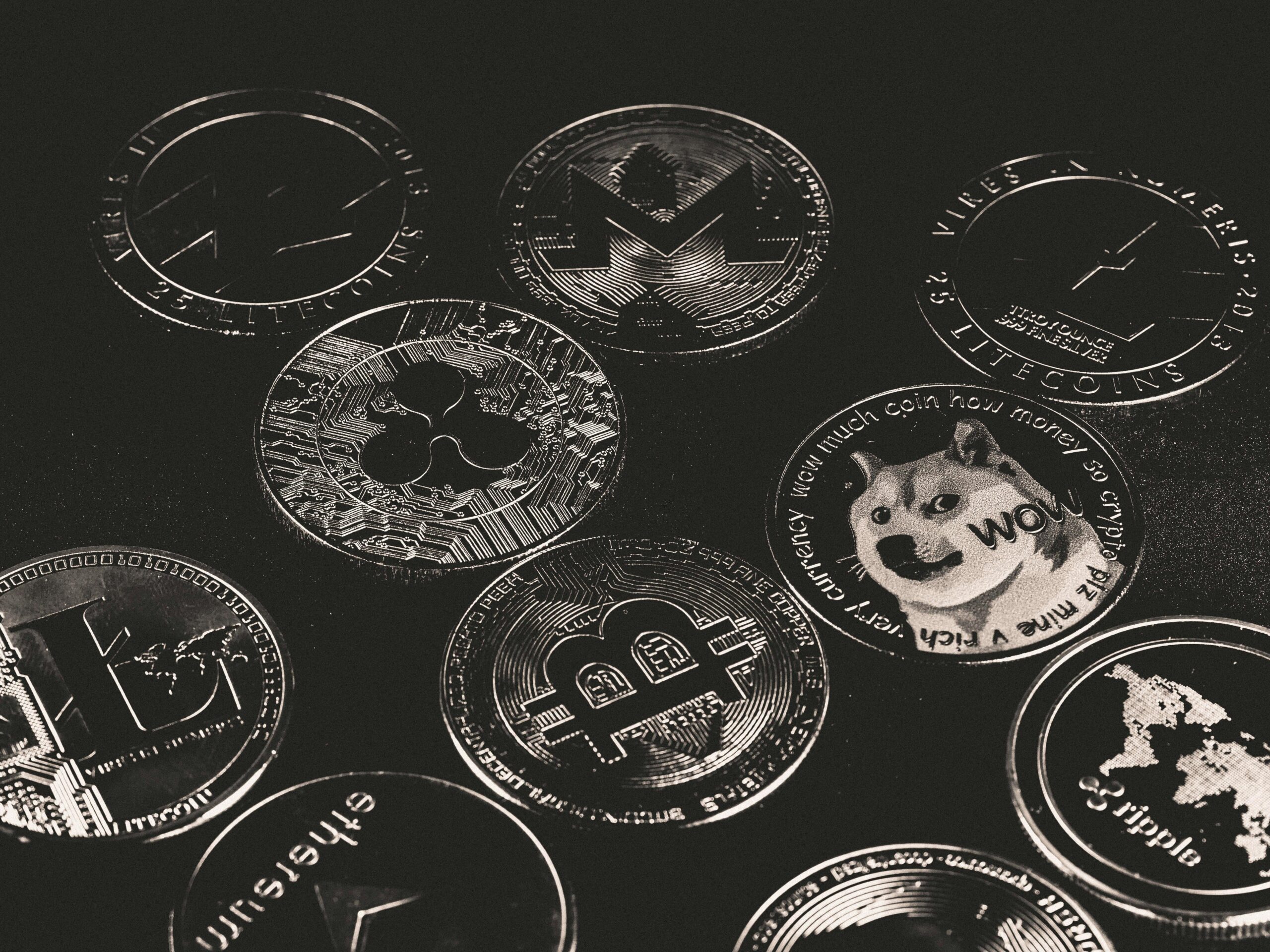
Within the cryptocurrency universe itself, diversification opportunities exist. Bitcoin remains the dominant asset with the longest track record and greatest liquidity. Ethereum offers exposure to smart contract platforms and decentralized applications. Other established cryptocurrencies provide exposure to specific use cases including decentralized finance, enterprise blockchain solutions, and digital payments.
A diversified crypto allocation might consist of 60-70% Bitcoin, 20-30% Ethereum, and 10-20% in selected altcoins with strong fundamentals and established track records. This approach captures Bitcoin’s network effect and store-of-value characteristics while maintaining exposure to cryptocurrency’s technological evolution.
🔬 Academic Research Supporting Crypto Diversification
The academic literature on cryptocurrency as a portfolio diversifier has grown substantially. Studies from institutions including MIT, Stanford, and the University of Cambridge have examined crypto’s role in optimal portfolio construction from multiple angles.
A comprehensive study analyzing portfolios from 2013 to 2021 found that adding Bitcoin improved the efficient frontier—the set of optimal portfolios offering maximum expected return for given risk levels. The improvement was most pronounced for portfolios with moderate to aggressive risk profiles, though even conservative portfolios showed enhancement with small allocations.
Research specifically examining different market regimes found that crypto’s diversification benefits persist across bull markets, bear markets, and periods of high market stress, though the magnitude varies. The consistency of this finding across different time periods and market conditions strengthens the case for strategic crypto allocation.
Behavioral Finance Considerations
Beyond quantitative analysis, behavioral finance research offers insights into crypto’s role in portfolios. Studies indicate that investors who maintain disciplined, predetermined allocations to crypto achieve better outcomes than those who attempt to time the market or make emotionally-driven decisions.
The psychological challenge of holding volatile assets is real and should not be underestimated. Successful crypto investors typically exhibit strong emotional discipline, long time horizons, and systematic rebalancing approaches that remove discretion from tactical decisions.
Future Outlook and Emerging Trends 🔮
The cryptocurrency market continues evolving rapidly, with developments that may enhance or modify its diversification characteristics. Central bank digital currencies (CBDCs), regulatory frameworks, technological improvements, and expanding use cases will shape crypto’s future role in investment portfolios.
Integration of traditional finance with decentralized finance (DeFi) protocols could create new investment opportunities and risk factors. Tokenization of real-world assets may blur the lines between traditional and crypto investments, potentially affecting correlation patterns. These developments warrant ongoing monitoring and periodic reassessment of crypto’s portfolio role.
Environmental concerns surrounding proof-of-work cryptocurrencies have prompted technological innovations including proof-of-stake consensus mechanisms and carbon-neutral mining operations. These sustainability improvements may facilitate broader institutional adoption and reduce regulatory headwinds.
📈 Maximizing Risk-Adjusted Returns Through Strategic Crypto Allocation
The evidence supporting cryptocurrency as a diversification tool is substantial and growing. Multiple independent studies across different time periods and market conditions demonstrate that small strategic allocations can enhance portfolio efficiency through improved risk-adjusted returns. The key lies in appropriate sizing, disciplined rebalancing, and realistic expectations about volatility.
Investors considering crypto allocation should approach the decision systematically. Begin with education about the technology, market dynamics, and risk factors. Determine an appropriate allocation percentage based on risk tolerance, investment horizon, and financial goals. Implement the allocation gradually through dollar-cost averaging to mitigate timing risk. Establish a disciplined rebalancing schedule to systematically manage volatility.
The diversification benefits of cryptocurrency stem from fundamental differences in value drivers compared to traditional assets. While stocks reflect corporate profitability and bonds respond to interest rates and credit risk, cryptocurrencies react to technological adoption, network effects, and evolving regulatory landscapes. This independence creates genuine diversification opportunities for portfolios anchored in traditional assets.
The Role of Professional Guidance
Given the complexity and rapid evolution of cryptocurrency markets, many investors benefit from professional guidance. Financial advisors with cryptocurrency expertise can help navigate implementation decisions, tax implications, and portfolio integration challenges. The regulatory environment continues developing, making professional advice particularly valuable for ensuring compliance while optimizing after-tax returns.
As cryptocurrency matures and institutional infrastructure develops, the barriers to informed portfolio implementation continue declining. What once required significant technical expertise can now be achieved through mainstream financial platforms and professionally managed products. This accessibility democratizes the diversification benefits that early research identified.
🎓 Key Takeaways for Portfolio Construction
Several principles emerge from the evidence on crypto diversification. First, small allocations provide meaningful benefits without creating disproportionate risks. Second, systematic rebalancing enhances returns while managing volatility. Third, longer time horizons improve the probability of positive outcomes. Fourth, diversification within crypto itself reduces idiosyncratic risks. Fifth, emotional discipline and predetermined strategies outperform tactical decision-making.
Cryptocurrency represents neither a panacea nor a passing fad. The evidence positions it as a legitimate portfolio component offering unique diversification characteristics. As with any investment, appropriate due diligence, risk management, and alignment with individual circumstances remain essential. The question is not whether crypto belongs in all portfolios, but rather how investors can thoughtfully harness its diversification potential within their specific contexts.
The investment landscape will continue evolving, and cryptocurrency’s role within it may shift over time. However, the fundamental principle driving its diversification value—low correlation with traditional assets stemming from distinct value drivers—appears durable. Investors who understand this dynamic and implement crypto allocations thoughtfully position themselves to capture these benefits while managing the associated risks.
