
Anúncios
Understanding the dollar’s value today is essential for anyone involved in international trade, travel, investments, or simply keeping up with global economic trends.
Current Dollar Exchange Rate Information

Check Live Rates
The dollar’s exchange rate fluctuates constantly throughout trading hours, influenced by countless economic factors, geopolitical events, and market sentiment. Whether you’re planning a trip abroad, managing international business transactions, or monitoring your investment portfolio, staying informed about the dollar’s current value is crucial for making smart financial decisions.
Currency markets operate 24 hours a day across different time zones, meaning the dollar’s value against other currencies changes continuously. These movements can be subtle or dramatic, depending on breaking news, economic reports, or unexpected global events that shift investor confidence and trading patterns.
💵 What Determines Today’s Dollar Value
The United States dollar serves as the world’s primary reserve currency, making its value a critical barometer for global economic health. Multiple interconnected factors influence the dollar’s strength or weakness on any given day, creating a complex web of cause and effect that even seasoned economists continually study.
Federal Reserve policies play perhaps the most significant role in determining dollar value. When the Fed raises interest rates, the dollar typically strengthens as higher yields attract foreign investment. Conversely, rate cuts generally weaken the dollar as investors seek better returns elsewhere. These monetary policy decisions ripple through currency markets almost instantaneously.
Economic indicators released throughout each month provide traders with data to assess dollar strength. Employment figures, inflation rates, GDP growth, manufacturing indices, and consumer confidence reports all contribute to market perceptions about the U.S. economy’s health. Strong economic data generally supports a stronger dollar, while disappointing numbers can trigger selling pressure.
Geopolitical stability significantly impacts currency values. The dollar often serves as a “safe haven” during times of international uncertainty or crisis. When conflicts arise, natural disasters strike, or political instability emerges anywhere in the world, investors frequently move capital into dollar-denominated assets, driving up the currency’s value.
📊 How to Track the Dollar’s Current Value
Multiple reliable resources exist for checking the dollar’s real-time value against other major currencies. Financial websites, banking apps, and specialized currency platforms provide up-to-the-minute exchange rates that reflect actual market conditions. Understanding where to find accurate information helps you make timely decisions.
The U.S. Dollar Index (DXY) offers a comprehensive measure of the dollar’s strength against a basket of major currencies including the euro, Japanese yen, British pound, Canadian dollar, Swedish krona, and Swiss franc. This weighted average provides a single number that indicates whether the dollar is generally strengthening or weakening in global markets.
Major financial news networks like Bloomberg, CNBC, and Reuters maintain real-time currency tickers on their websites and apps. These platforms not only show current rates but also provide context through expert analysis, helping you understand the “why” behind exchange rate movements.
🔍 Best Online Tools for Dollar Monitoring
Several digital platforms have become industry standards for currency tracking:
- XE.com – Offers free real-time rates with historical charts and a powerful currency converter
- Bloomberg Terminal – Professional-grade platform with comprehensive financial data (subscription required)
- Google Finance – Quick currency conversions directly in search results
- OANDA – Detailed forex data with technical analysis tools
- TradingView – Advanced charting with social trading features
Mobile banking apps from major financial institutions typically include currency converters that pull live market rates. These tools prove especially useful when traveling internationally or making time-sensitive foreign exchange decisions.
🌍 Dollar Value Against Major Global Currencies
The dollar’s relationship with other major currencies creates trading pairs that billions of dollars flow through daily. Each pairing has unique characteristics influenced by the economic relationship between the United States and the partner country.
The EUR/USD pair represents the world’s most traded currency combination, accounting for nearly a quarter of all forex transactions. The euro’s value against the dollar reflects the relative strength of the European Union economy versus the American economy. Economic divergence between these regions creates opportunities and risks for traders and businesses alike.
The USD/JPY pairing holds special significance due to Japan’s role as a major creditor nation and the yen’s status as another safe-haven currency. This relationship often moves based on risk sentiment – when global markets feel optimistic, the dollar typically strengthens against the yen, but during crises, the yen may gain ground.
💷 Dollar Performance vs. British Pound
The GBP/USD pair, nicknamed “Cable” due to the transatlantic telegraph cable that once transmitted rates, carries significant historical importance. Brexit fundamentally altered this relationship, introducing new volatility patterns as the United Kingdom navigates its independent economic path outside the European Union.
British economic data, Bank of England policy decisions, and political developments in Westminster all influence the pound’s value against the dollar. Trade negotiations, inflation concerns, and growth forecasts create constant movement in this historically important currency pair.
🍁 Dollar Exchange with Canadian Dollar
The USD/CAD relationship ties closely to commodity prices, particularly crude oil. Canada’s economy depends heavily on natural resource exports, so when oil prices rise, the Canadian dollar typically strengthens against its American counterpart. This correlation makes the “Loonie” (as traders call the Canadian dollar) particularly sensitive to energy market fluctuations.
💼 Why Businesses Monitor Dollar Values Daily
Companies engaged in international commerce face direct exposure to currency fluctuations that can significantly impact profitability. A business importing goods priced in foreign currencies pays more when the dollar weakens, while exporters receive fewer dollars when converting foreign revenue if the dollar strengthens.
Currency hedging strategies help businesses manage this exchange rate risk. Forward contracts, currency options, and natural hedges allow companies to lock in rates or offset exposure, protecting profit margins from unexpected currency swings. Treasury departments at multinational corporations dedicate entire teams to managing these risks.
Small businesses increasingly face currency exposure as e-commerce globalizes trade. Even a local retailer sourcing products from overseas suppliers must consider how exchange rate changes affect cost structures and pricing strategies. Digital payment platforms have made international transactions easier, but they’ve also exposed more businesses to currency volatility.
✈️ Impact on International Travelers
Tourists notice dollar value changes immediately in their vacation budgets. A stronger dollar means your money goes further abroad – hotel rooms, restaurant meals, and shopping all become more affordable when the dollar appreciates against your destination’s currency. Conversely, a weak dollar makes international travel more expensive for Americans.
Timing international trips around currency trends can generate significant savings. Monitoring exchange rates over several months before booking allows travelers to identify favorable periods for purchasing foreign currency or charging international expenses. Even a 5-10% currency swing can meaningfully impact vacation costs.
Credit cards and debit cards handle currency conversion automatically, but the rates and fees vary considerably between financial institutions. Some cards charge foreign transaction fees of 3% or more, while travel-focused credit cards often waive these charges entirely. Understanding these costs helps travelers maximize their purchasing power abroad.
💳 Best Practices for Currency Exchange
Airport currency exchange kiosks typically offer the worst rates with high commission fees. ATMs usually provide better rates, though your bank may charge international withdrawal fees. Researching fee structures before traveling prevents unpleasant surprises and helps preserve your travel budget.
Prepaid travel cards allow you to lock in exchange rates before departure, protecting against adverse rate movements during your trip. These cards work like debit cards abroad but use preloaded foreign currency balances, combining convenience with rate protection.
📈 Investment Implications of Dollar Movements
Currency fluctuations create ripple effects throughout investment portfolios. U.S. investors holding international stocks receive returns affected by both the underlying security’s performance and currency translation effects. When the dollar strengthens, foreign investment returns decrease in dollar terms, even if the foreign asset appreciated in its local currency.
Currency trading itself represents a massive market where investors speculate on exchange rate movements. The forex market trades over $6 trillion daily, dwarfing stock market volumes. Traders use leverage to amplify returns, though this also magnifies risks, making forex trading suitable primarily for experienced investors who understand the complexities.
Commodities priced in dollars, including gold, oil, and agricultural products, often move inversely to dollar strength. When the dollar weakens, commodities typically become more expensive in dollar terms, as it takes more dollars to purchase the same amount of the underlying resource. This relationship creates natural hedging opportunities within diversified portfolios.
🏦 Central Bank Influence on Dollar Strength
The Federal Reserve wields enormous influence over dollar value through monetary policy tools. Interest rate decisions represent the most visible and impactful mechanism, but the Fed also uses quantitative easing, bond purchases, and forward guidance to shape currency markets.
When the Fed signals a hawkish stance – meaning it anticipates raising rates to combat inflation – the dollar typically strengthens in anticipation. Markets price in expected policy changes well before official announcements, creating volatility around Fed meeting dates and key economic releases.
Other central banks’ policies matter equally for exchange rates. When the European Central Bank, Bank of Japan, or Bank of England adjust their monetary stances, these decisions alter relative interest rate differentials that drive currency flows. A rate hike by the ECB while the Fed holds steady could weaken the dollar against the euro.
📱 Technology’s Role in Currency Accessibility
Financial technology has democratized access to currency information and trading capabilities. Smartphone apps provide instant rate updates, price alerts, and conversion tools that once required expensive professional terminals. This accessibility empowers individuals to make informed decisions about currency exposure.
Digital payment platforms like PayPal, Wise (formerly TransferWise), and Revolut offer currency conversion services at competitive rates with transparent fee structures. These fintech companies challenge traditional banks by providing faster transfers and better exchange rates, particularly for smaller transaction amounts.
Cryptocurrency enthusiasts point to digital assets as alternatives to traditional fiat currencies, though volatility remains a significant concern. Stablecoins attempt to bridge this gap by pegging values to the dollar or other fiat currencies, creating digital tokens with theoretically stable values.
🔮 Future Factors Affecting Dollar Value
Long-term dollar trends depend on fundamental economic forces including fiscal policy, trade balances, and productivity growth. The United States’ fiscal deficit and accumulating national debt raise questions about dollar sustainability, though the currency’s reserve status provides substantial support.
Emerging market growth gradually shifts global economic weight away from traditional powers. As countries like India, Indonesia, and Brazil expand their economies, their currencies may claim larger roles in international trade and finance, potentially diminishing dollar dominance over decades.
Climate change and the energy transition introduce new variables into currency relationships. Countries leading in renewable energy technology or possessing critical mineral resources for green technologies may see currency benefits, while fossil fuel-dependent economies face headwinds.
🎯 Practical Tips for Dollar Value Awareness
Setting up rate alerts through currency apps ensures you notice significant movements without constant monitoring. Configure notifications for exchange rates that matter to your specific situation – whether that’s planning a European vacation or managing business payables in Asian currencies.
Understanding the difference between spot rates (immediate delivery) and forward rates (future delivery) helps in planning significant currency needs. Businesses can lock in rates months in advance, while individuals might time large purchases or transfers to capitalize on favorable spot rates.
Economic calendars highlight when major data releases and central bank meetings occur. These events often trigger increased volatility, presenting both opportunities and risks depending on your currency exposure. Awareness of the calendar helps you anticipate potential rate swings.
Diversification across currencies can reduce portfolio risk for investors and businesses alike. Rather than maintaining all assets in dollar-denominated holdings, strategic allocation to other major currencies provides natural hedging against dollar depreciation while capturing potential gains from other economies’ growth.
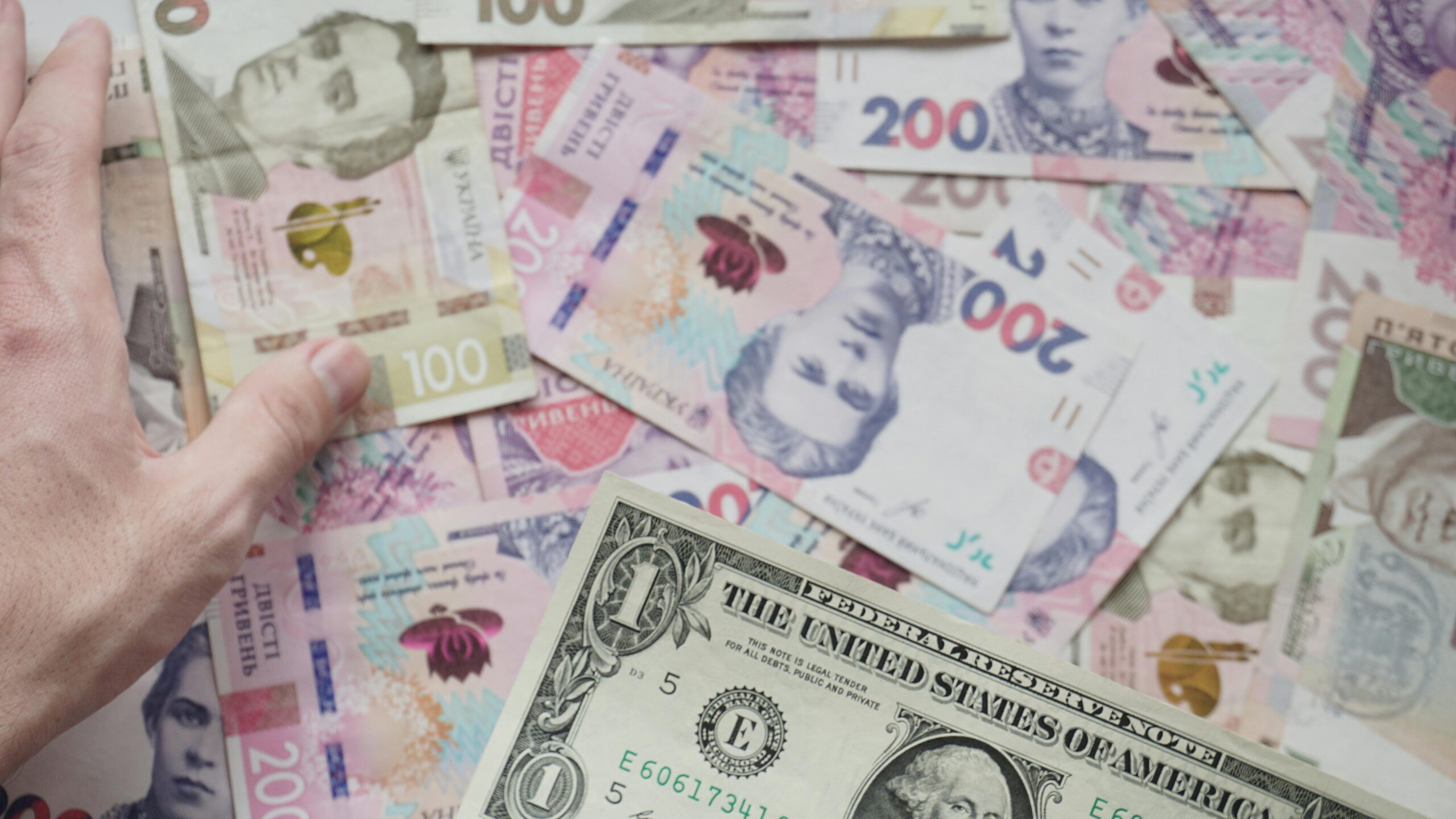
🌐 The Dollar’s Global Reserve Currency Status
Approximately 60% of global foreign exchange reserves consist of U.S. dollars, cementing its position as the world’s primary reserve currency. This status grants the United States significant economic advantages, including lower borrowing costs and outsized influence over global financial systems.
International commodities from oil to wheat trade primarily in dollars, creating constant global demand for the currency. Countries need dollar reserves to purchase these essential resources, supporting dollar value regardless of relative economic performance. This “petrodollar” system has underpinned dollar strength for decades.
Challenges to dollar dominance emerge periodically as nations seek alternatives. China promotes renminbi internationalization, Europe maintains the euro as a credible alternative, and some countries explore bilateral trade agreements in local currencies. Despite these efforts, the dollar’s network effects and deep, liquid financial markets maintain its preeminent position.
The dollar’s value today reflects centuries of economic development, policy decisions, and global integration. Whether you’re checking rates for personal travel, business operations, or investment strategy, understanding the factors that move currency markets empowers better financial decisions. Markets never sleep, and neither does the global flow of capital that determines what each dollar is worth at any given moment. 💰
